Category: power lift chairs
Posted by 2025-12-20 11:12
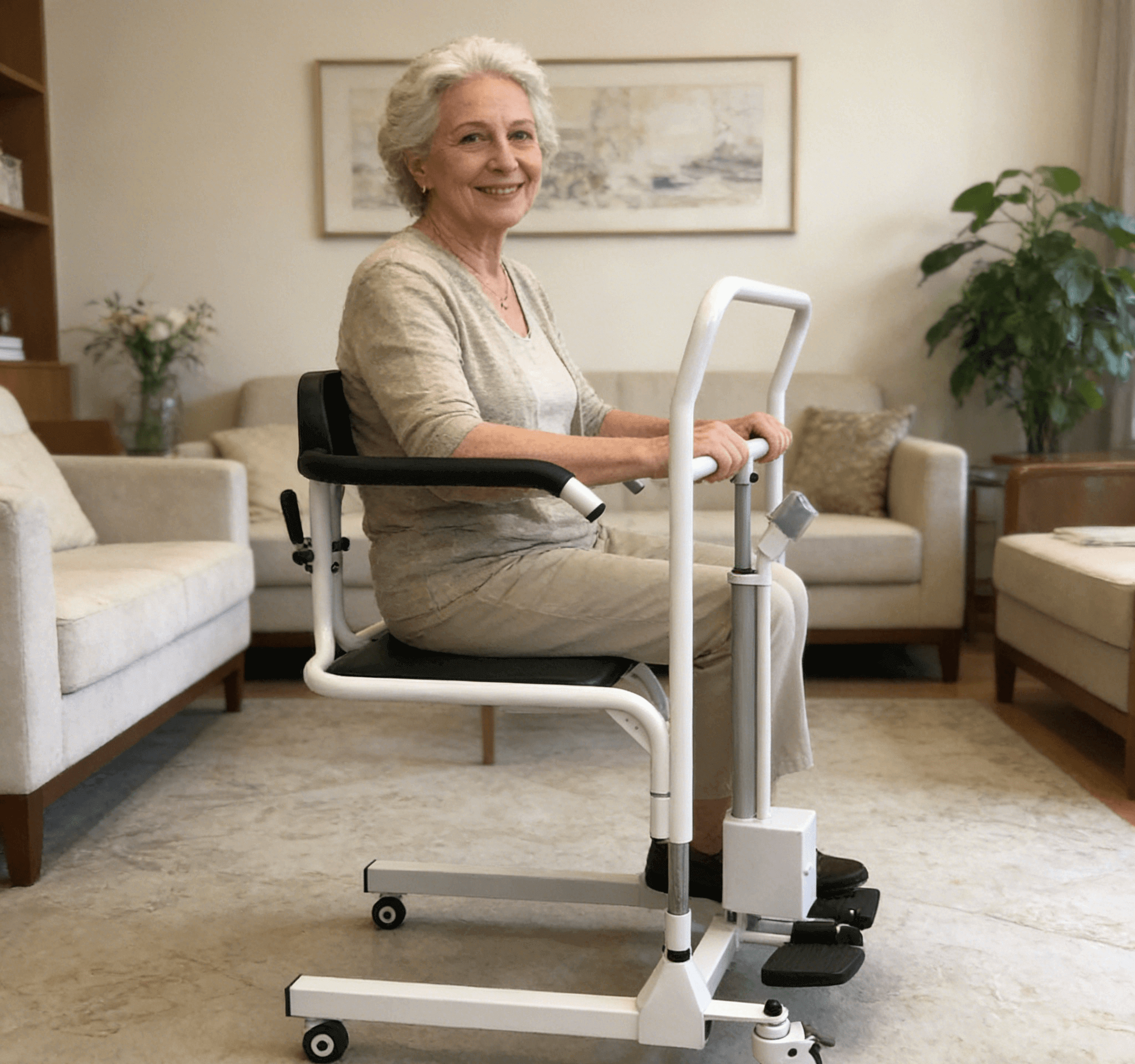
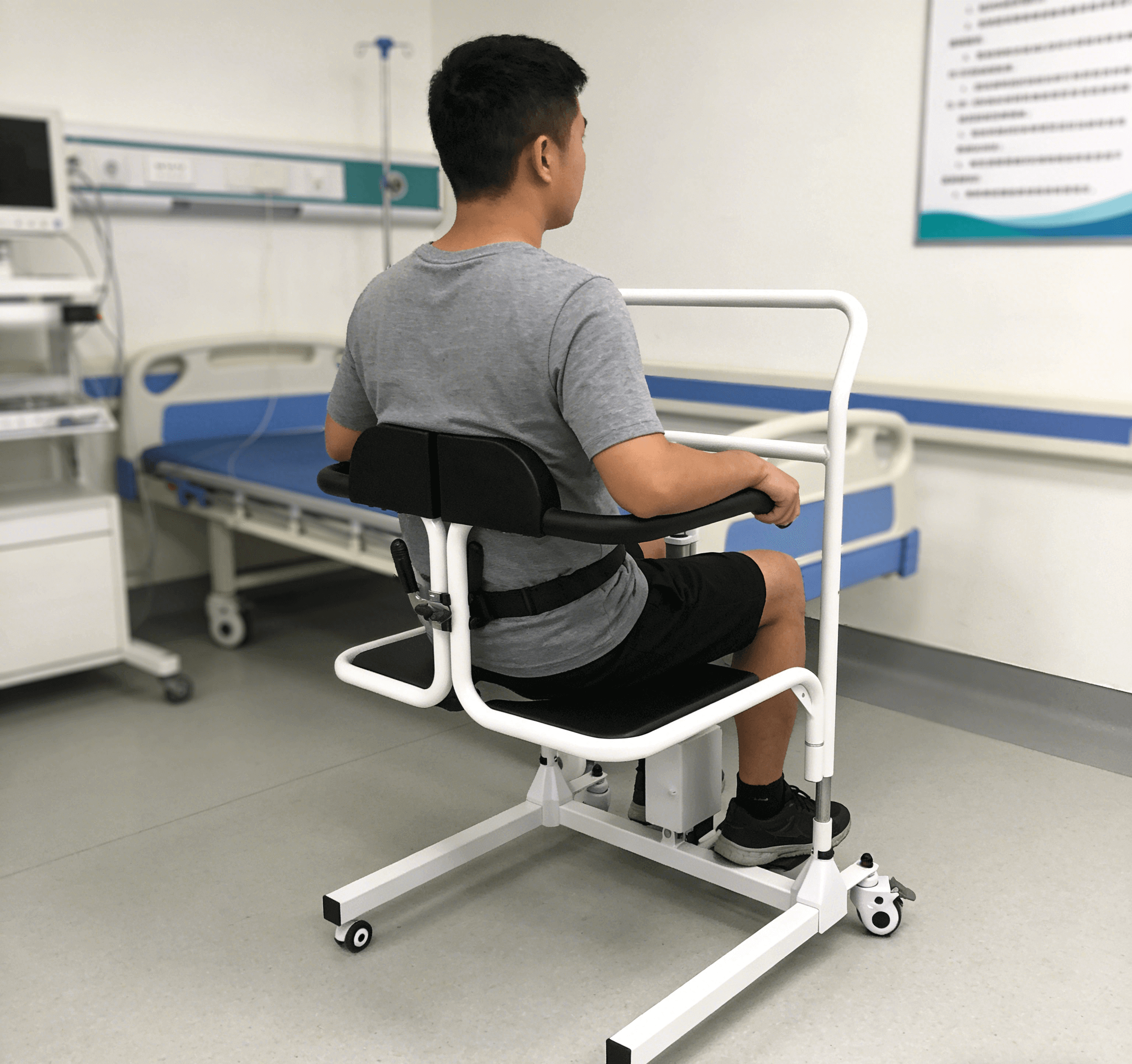
hoyer lift for elderly people
Hoyer Lift for the Elderly: A Vital Tool for Safe Care and Dignity Preservation
As people age, many elderly individuals gradually lose the ability to move independently due to conditions such as arthritis, osteoporosis, stroke, Parkinson’s disease, or general physical weakness. For them, daily actions like getting up from bed, transferring to a wheelchair, or using the toilet can become extremely difficult or even impossible to complete. The traditional method of relying on manual lifting is not only inefficient but also prone to causing physical injuries and psychological stress. Against this backdrop, the Hoyer Lift is no longer just a piece of equipment; it has become a key support for ensuring safety and preserving dignity in elderly care.
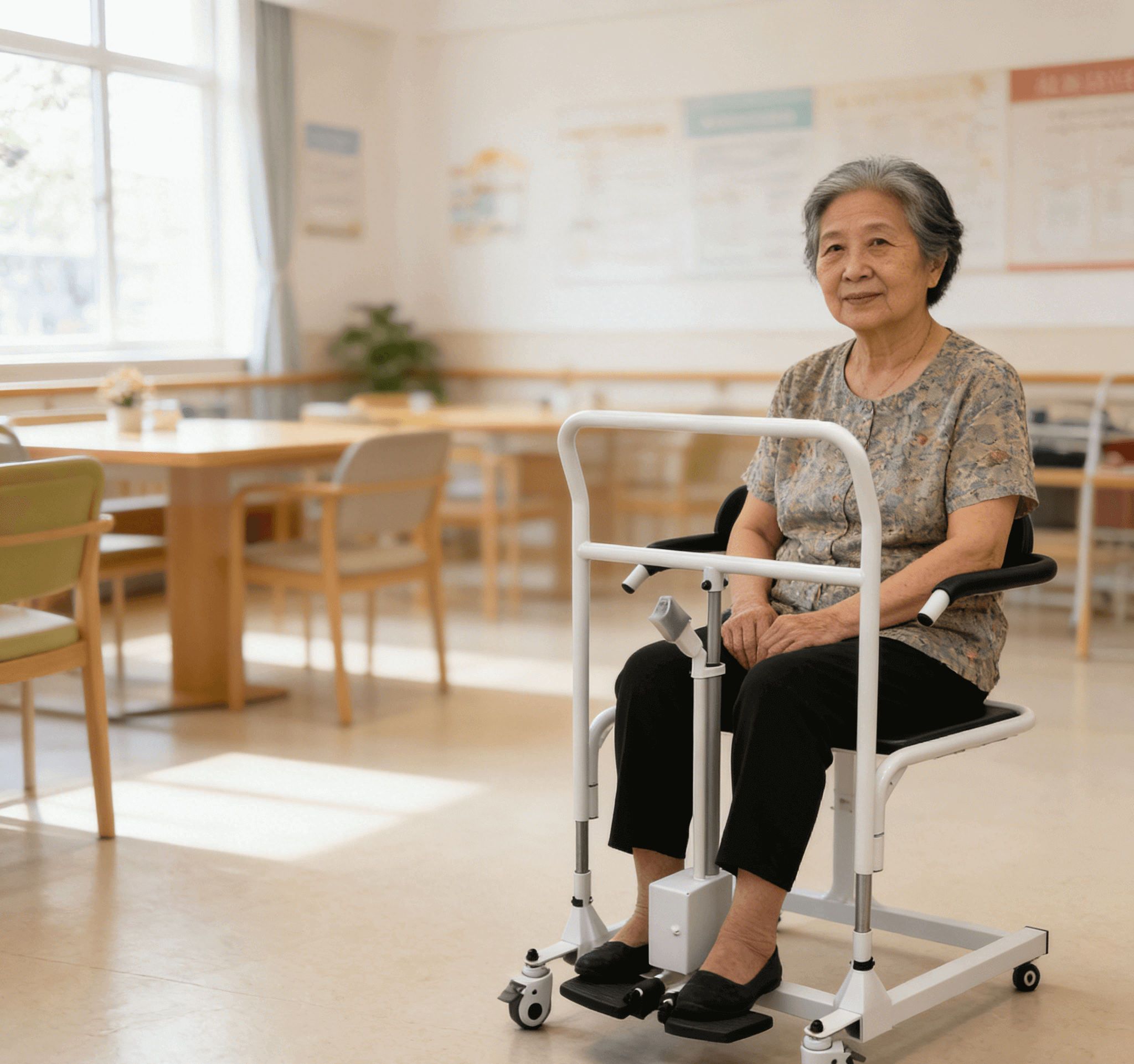
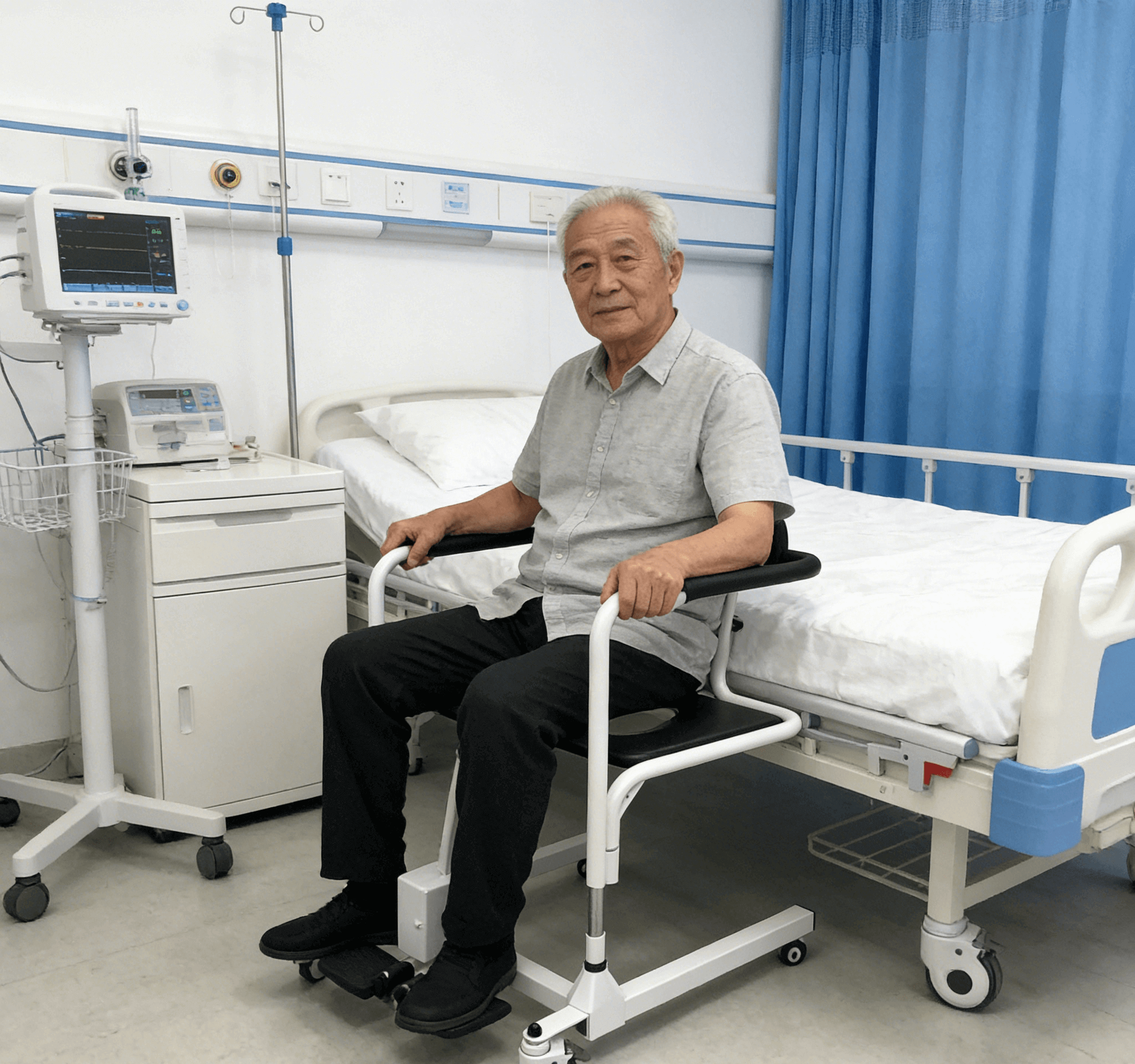
The Hoyer Lift was originally developed by a Danish medical equipment company (later incorporated into the Arjo Group) to help medical staff safely transfer patients with limited mobility. Today, the term "Hoyer Lift" is widely used to refer to various types of patient transfer lifting devices. It is extensively applied in hospitals, nursing homes, and rehabilitation centers, and is increasingly finding its way into ordinary households. For elderly individuals requiring long-term care, it provides a scientific, stable, and human-centered mobility solution.
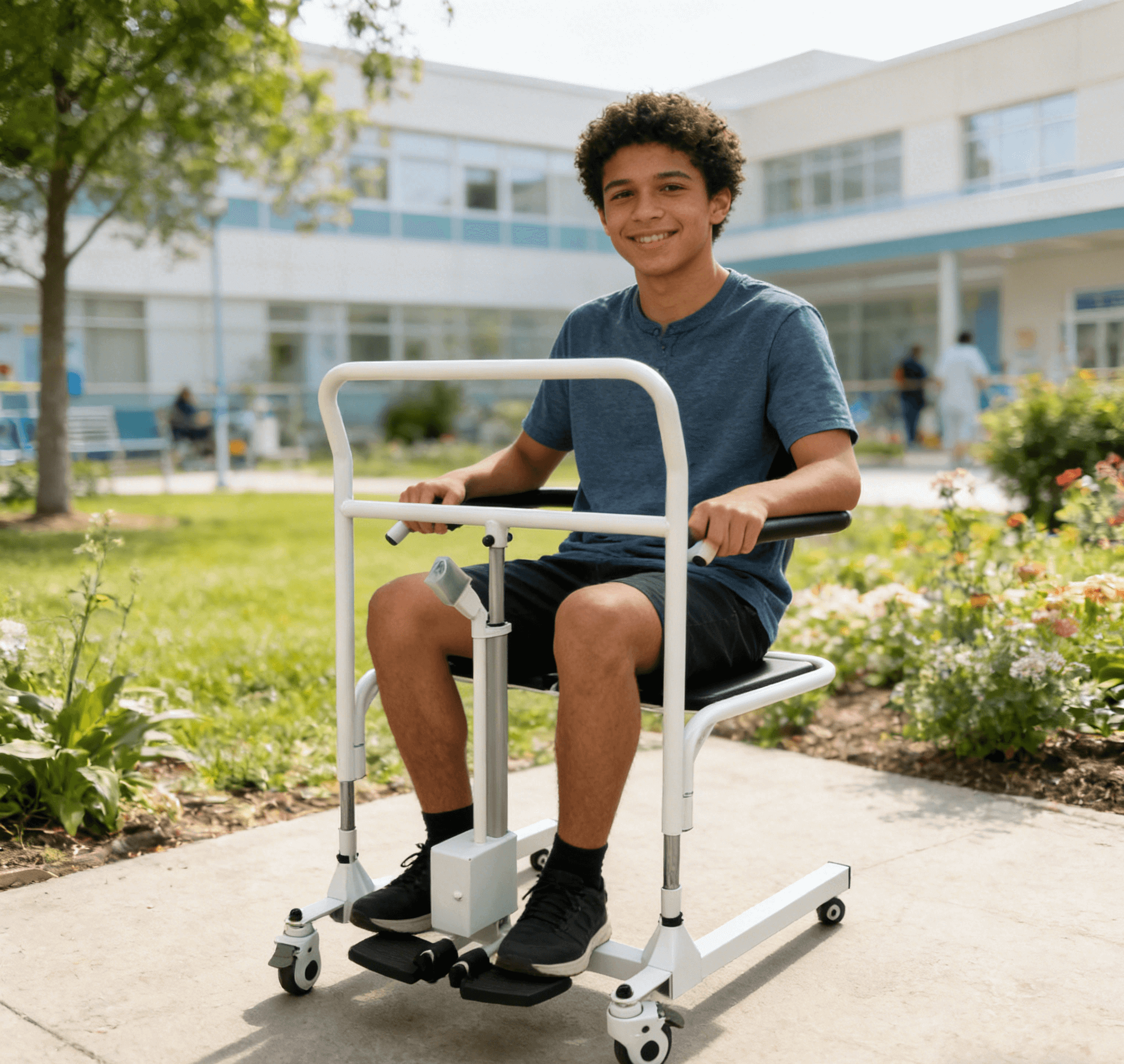
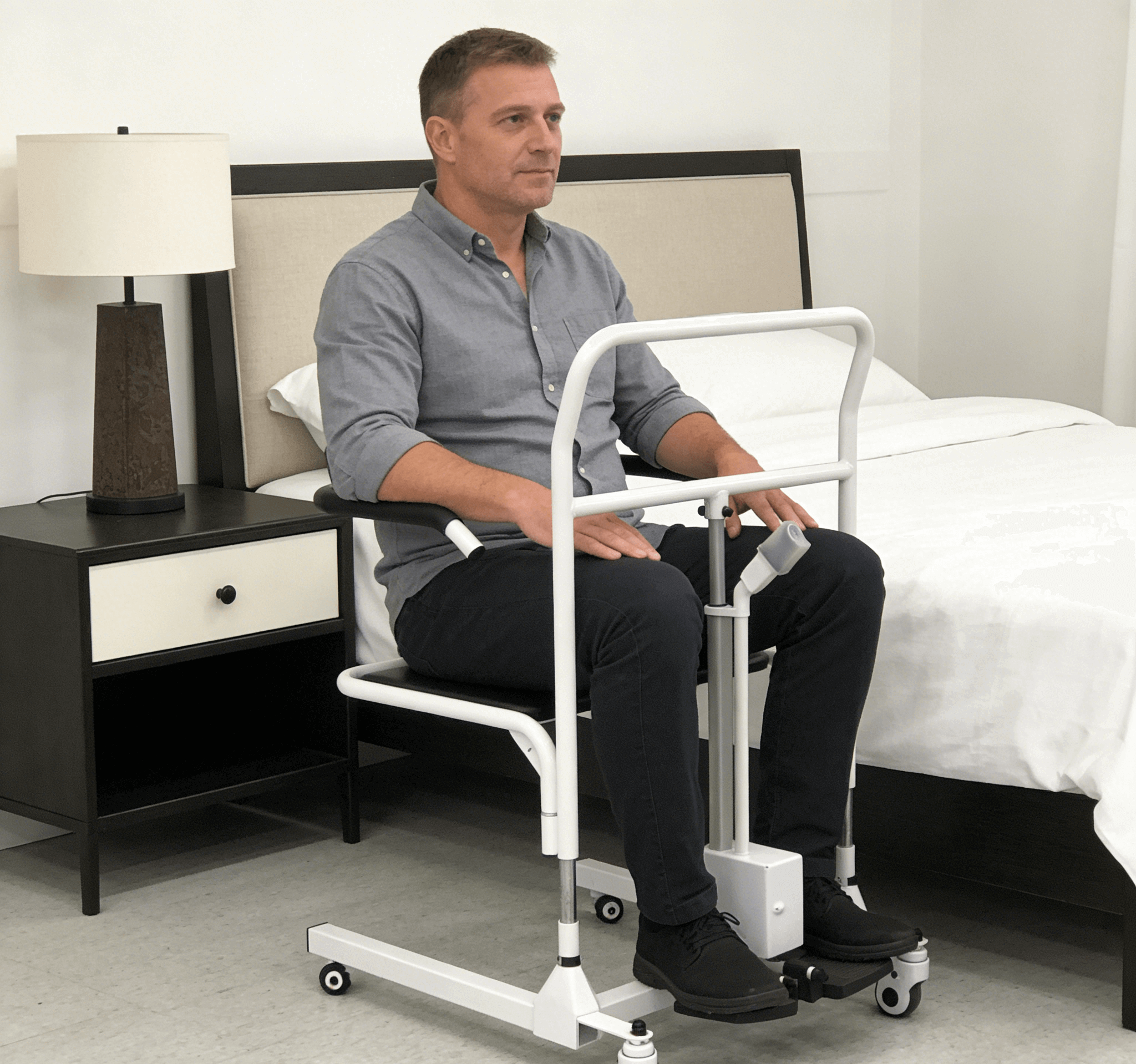
When using a Hoyer Lift, caregivers first carefully place a specialized sling (such as a full-body sling, sitting sling, or toilet-specific sling) under the elderly person. Then, they use a mechanical or electric mechanism to slowly lift the elderly individual and smoothly move them to the target location—whether it is a wheelchair, toilet, or shower chair. The entire process avoids dragging, twisting, or sudden jolts, effectively preventing risks such as skin damage, pressure sores, joint pain, and even falls. More importantly, this non-intrusive transfer method allows the elderly to feel respected and secure while being assisted, which helps maintain their psychological stability and sense of self-worth.
For family caregivers, the Hoyer Lift is equally significant. Many adult children or spouses, when caring for their elderly loved ones, often suffer from occupational injuries like lumbar muscle strain and herniated discs due to repeated bending and heavy lifting. Studies show that musculoskeletal injuries are among the most common occupational health issues in the field of elderly care. With the help of a Hoyer Lift, only one caregiver is needed to complete a safe transfer, significantly reducing physical burden and making care work more sustainable and reassuring.
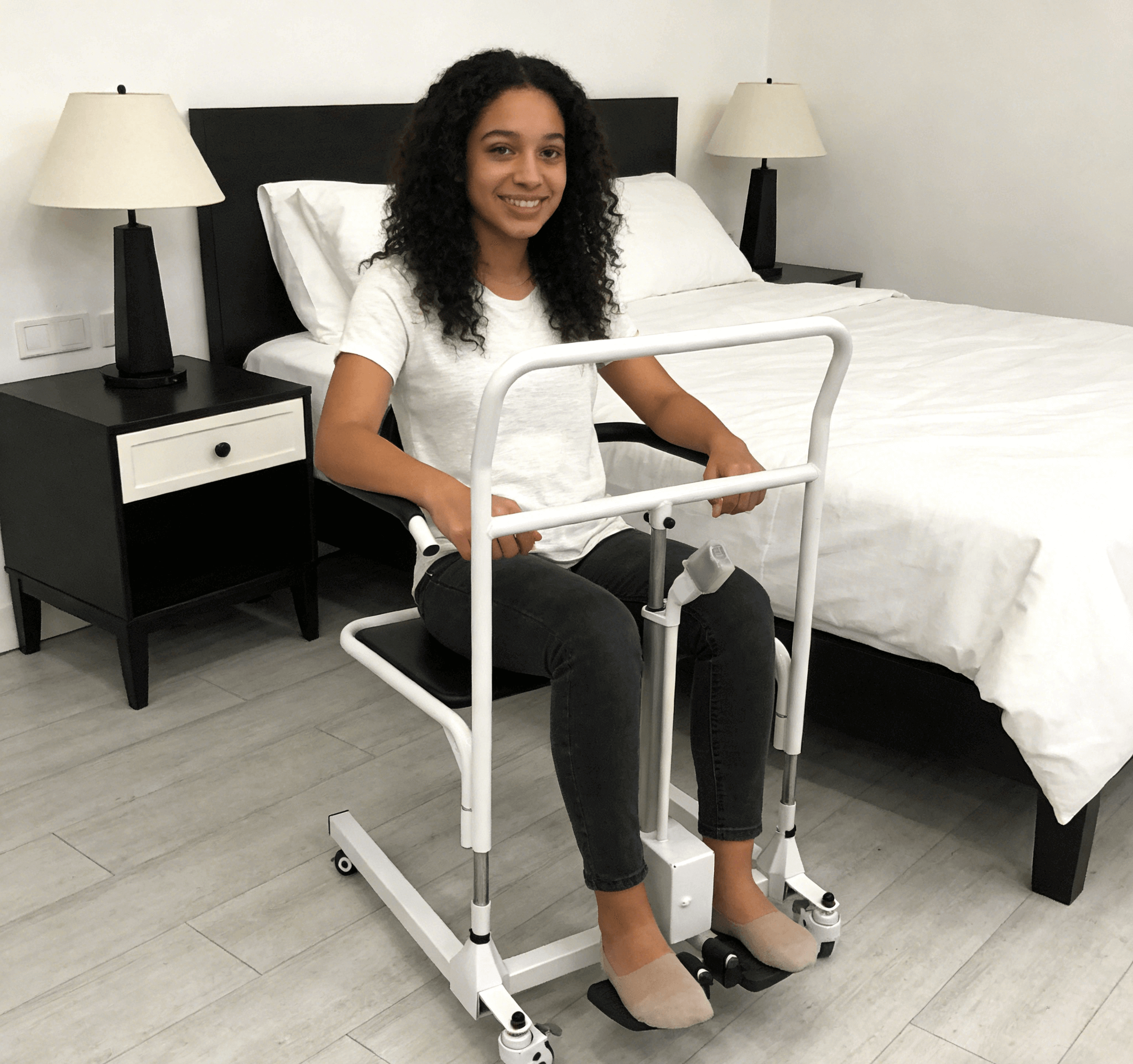
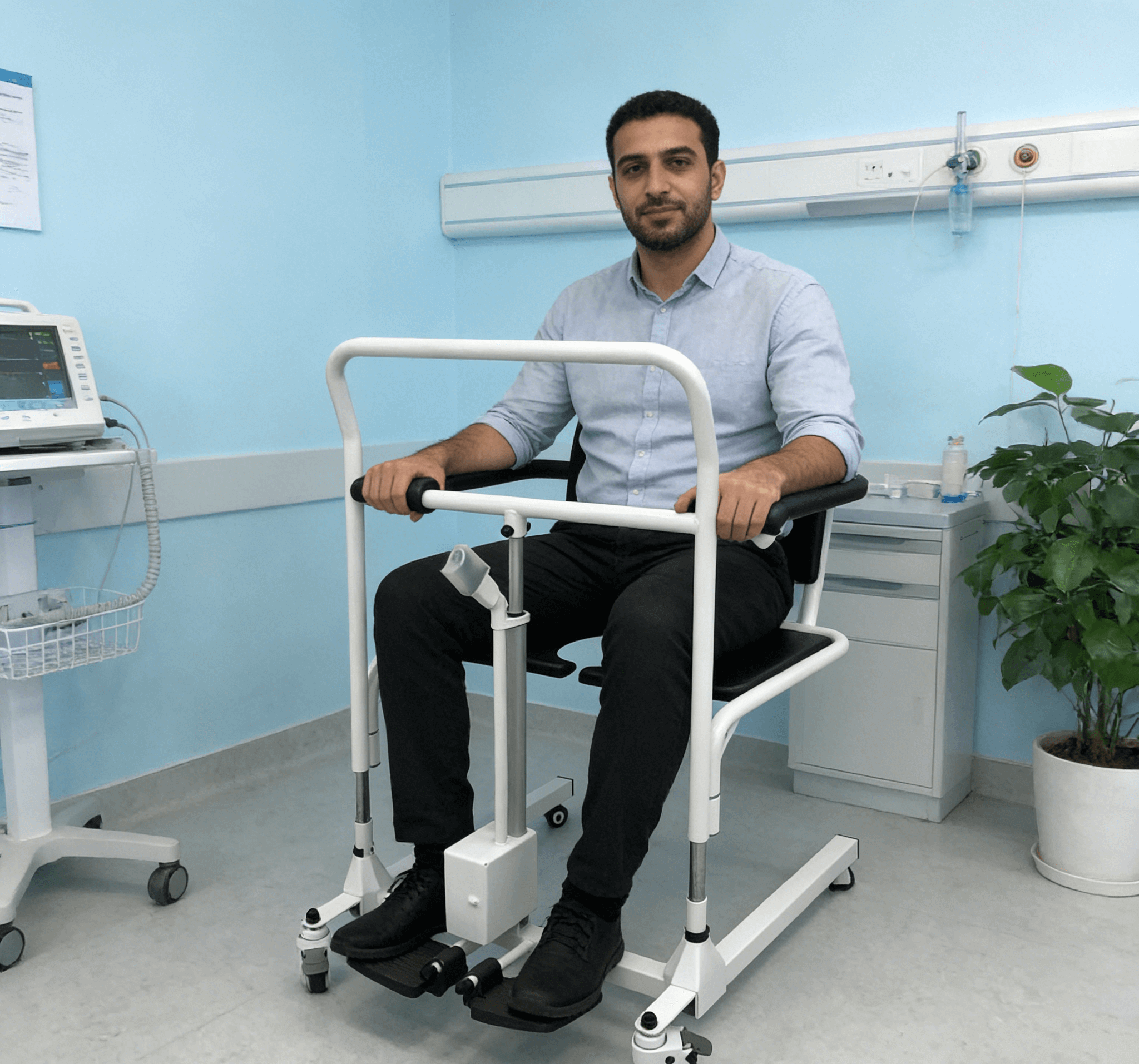
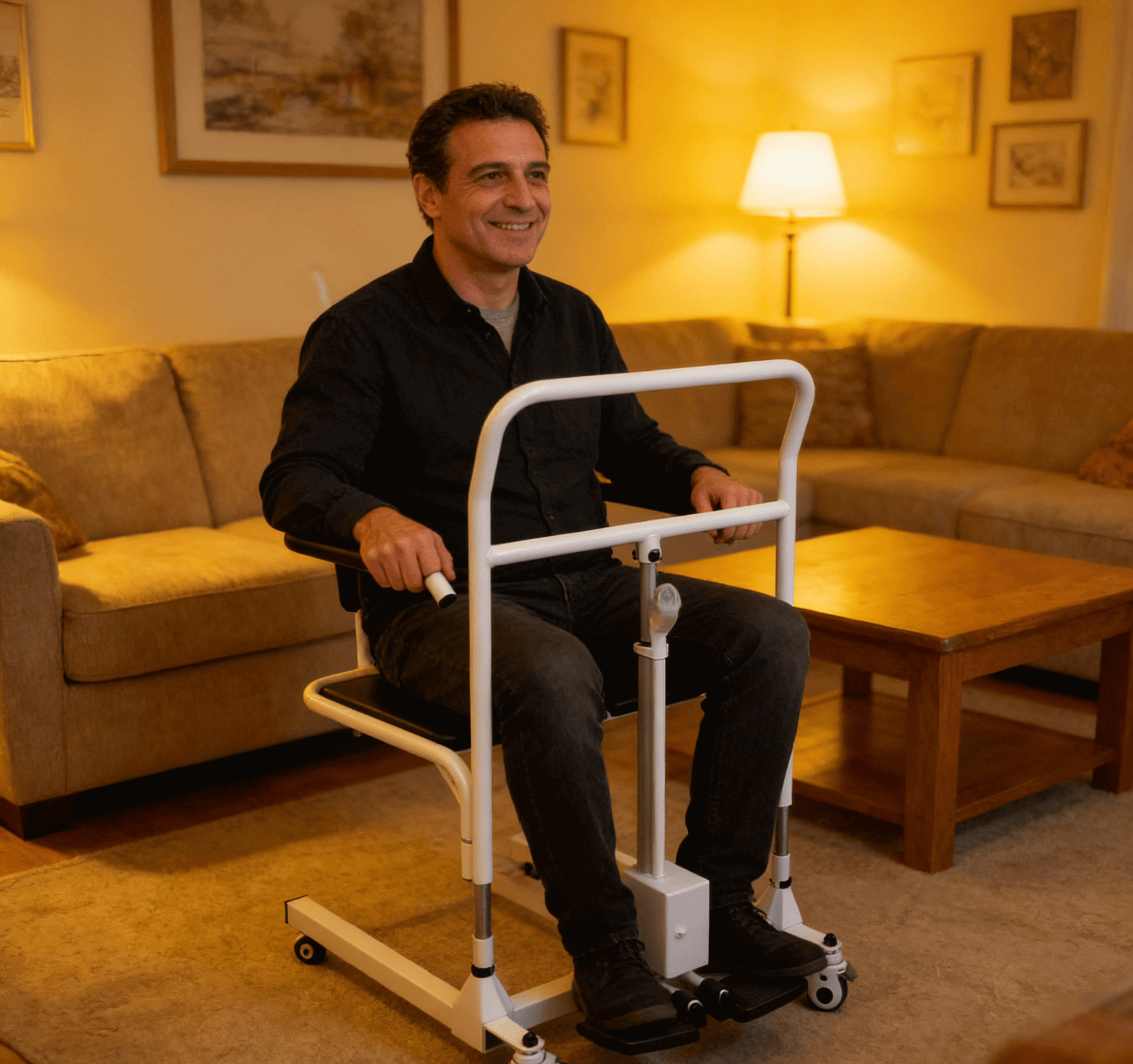
Of course, introducing a Hoyer Lift into a home environment requires comprehensive consideration. For instance, the appropriate model should be selected based on the elderly person’s weight, trunk control ability, cognitive status, and the size of the home space. Options include manual hydraulic models (operated via a hand pump), electric models (powered by batteries for easier operation), as well as foldable, low-chassis compact designs suitable for home use. Meanwhile, the choice of sling is crucial: the wrong type of sling may cause discomfort, slipping, or even safety hazards. Therefore, it is recommended to select the equipment and receive operation training under the guidance of physical therapists, occupational therapists, or assistive device professionals.
In recent years, the technology of Hoyer Lifts has continued to advance. New products place greater emphasis on quiet operation, waterproof materials (suitable for bathrooms), and low-profile bases (easy to slide under beds). Some high-end models are also equipped with emergency stop buttons, automatic overload protection, and intelligent sensing systems, further enhancing safety and user experience.
However, more important than the technology is the care philosophy it embodies. Using a Hoyer Lift is not just about "lifting a person up"; it is about conveying an attitude: even when elderly and frail, one deserves to be treated gently; even when unable to walk, one still has the right to dignity and comfort. This silent care is the core of high-quality elderly care.
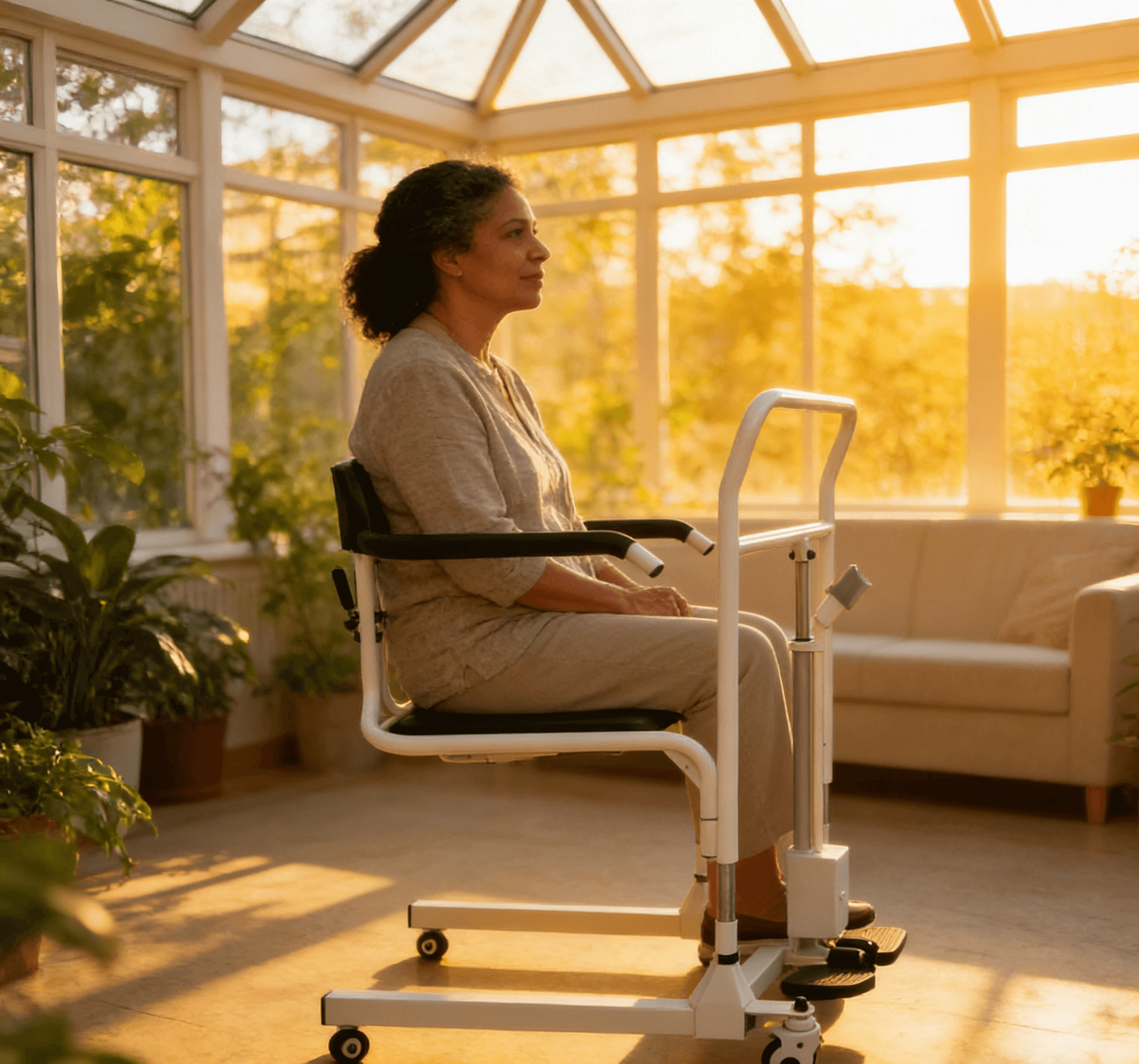
Amid the global trend of advocating "aging in place"—allowing the elderly to spend their later years in the familiar environment of their homes as much as possible—assistive devices like the Hoyer Lift will become increasingly important. It bridges the gap between family affection and physical strength, enabling family members to provide safe, reliable, and warm care for their elderly relatives even without professional backgrounds.
Ultimately, the Hoyer Lift is more than just a combination of metal and fabric; it is an extension of love and responsibility. It stands as a quiet yet solid guardian in the lives of the elderly, ensuring that the sunset years remain warm and dignified.
Would you like me to adjust the wording of this English translation to be more concise for promotional flyers? Or should I organize it into a standard document format with clear headings for training materials?